Vol. 01 — A feature on Shufola Ullapara · Sirajgonj · Bangladesh Sesame oil, seeds, and export

§ A Feature in Three Parts

Pure sesame,
honestly made.

The mills in Ullapara were ours before the certifications, before the export licence, before the word “flexitank” meant anything to us. We kept grinding because the seed from Sirajgonj was good.

A Shufola Feature Dhaka · Chattogram · Ullapara Inquire with the export desk →
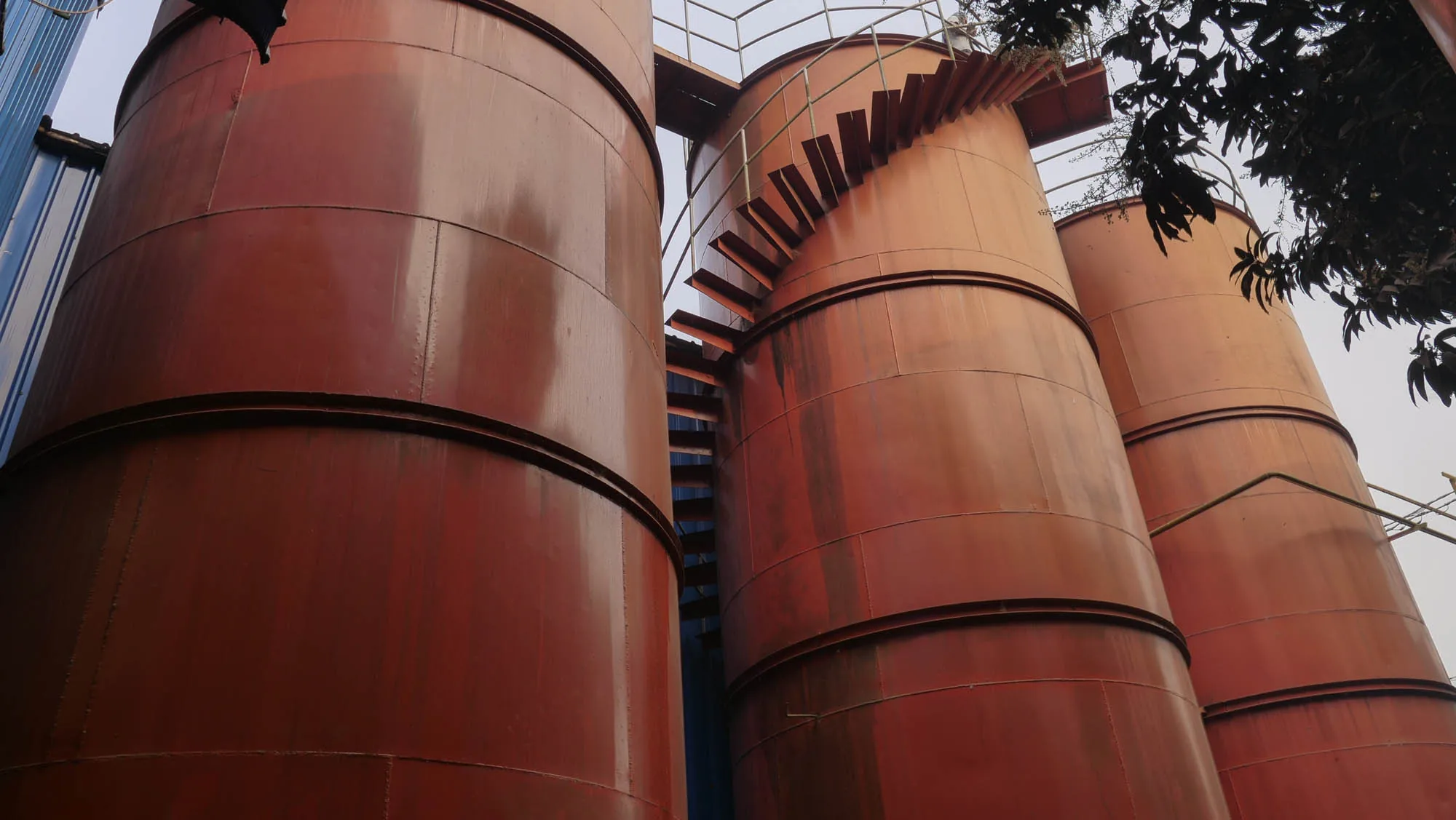
Three rust-red storage silos with spiral access stairs at Shufola's Ullapara facility, overcast Bangladesh sky, tree branches framing the upper right of the frame
Plate 01 · Storage silos at the Ullapara facility, Sirajgonj. Photograph for Shufola Multi Products Ltd.
15+
Export Destinations
CFR
Incoterms Capability
L/C
Payment Supported
24h
Quote Response
§ 01 The Managing Director’s Letter

A company has a character long
before it has a brand.

We are third-generation sesame processors. The mills in Ullapara were ours before the certifications, before the export licence, before the word “flexitank” meant anything to us. We kept grinding because the work was steady and the seed from Sirajgonj was good.

The export desk came later, when buyers started writing in with specifications and SGS reports. This site is the company we’ve become for those buyers. The character — patient, careful, honest about what a shipment is and isn’t — hasn’t changed.

If you are a refinery in Busan, a food manufacturer in Rotterdam, a trader in Dubai — the desk answers within a business day. Crude oil ships in flexitank at twenty-two tonnes. Seeds ship in PP bags or containers. Every lot carries an SGS certificate of analysis, a phytosanitary clearance, and a health certificate. That is the short version of what we do.

The longer version — how the seed travels from a farm in the Sirajgonj sesame belt, through our cleaning floor, through the extraction line, to a container loading at Chattogram port — is the story of the next pages.
Shufola Managing Director’s Note · Shufola Multi Products Ltd
§ 02 Origin — The Sirajgonj Sesame Belt

From the fertile plains
of Sirajgonj.

The district

Sirajgonj sits along the Jamuna river in north-central Bangladesh, a flat expanse of alluvial soil that has grown sesame for as long as anyone in the district can remember. The seed likes a long dry spell after the rains — which is exactly what the climate here delivers, once the monsoon pulls back in early autumn. The farms are small, mostly family-held, and the crop rotates with pulses and mustard as the soil demands.

Our factory sits in Ullapara, an upazila within the district — close enough to the farms that seed travels by short inland road, not by rail or barge. The proximity is not incidental. It means a lot that fails moisture testing can return to the farmer the same week; it means we know, by name, who grew what we are pressing.

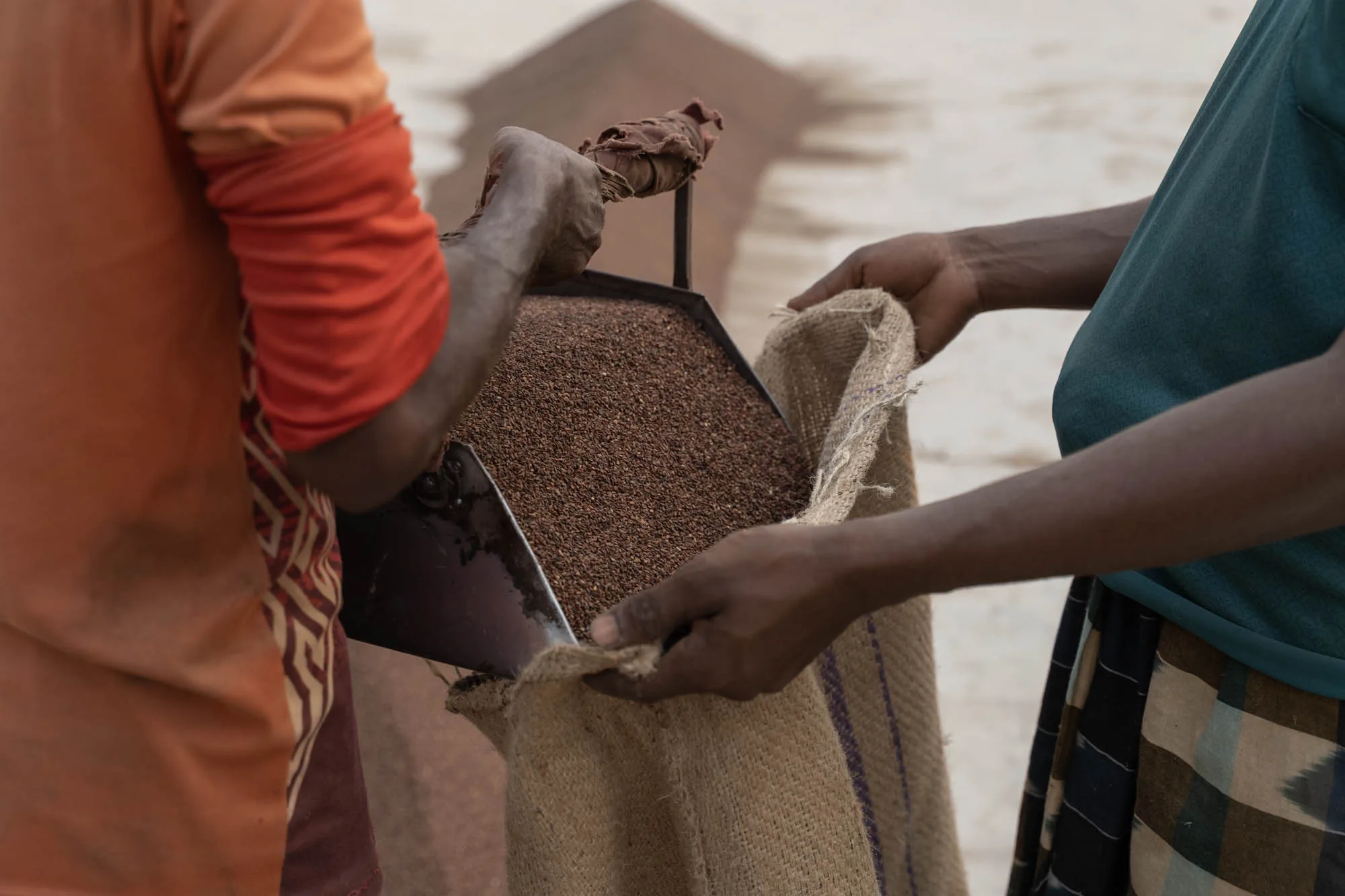
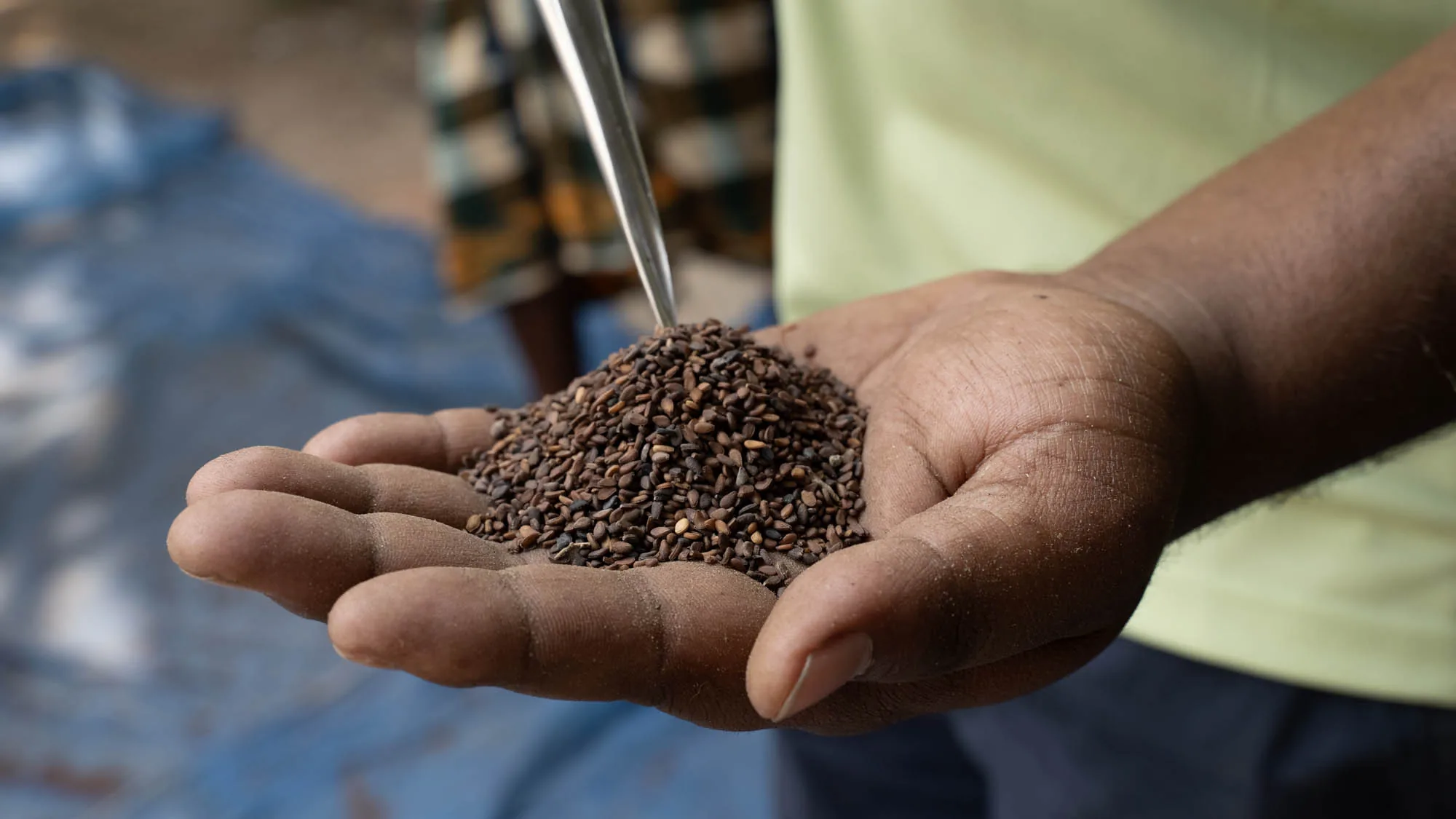
Close-up of a worker's open palm holding a mound of brown-black sesame seeds while a metal scoop pours more into the hand, checkered lungi visible behind
Plate 02 · A handful of the belt's brown sesame, received at intake.
“The seed from Sirajgonj is good. We have always said this, and the SGS panel has always agreed.” — Shufola, Managing Director’s Note

The farmers

Our relationships in the belt are old. Some of the farms we buy from today first sold to my father; a handful first sold to my grandfather. That continuity is not a marketing point — it is a practical advantage. The farmers know what we will pay, know what we will reject, know that a harvest that fails our moisture cutoff will be returned rather than written down. Trade flows both ways: we advance against planned acreage in certain seasons; they hold back first pick for the crushing schedule we announce in July.

The seed that comes off the farms is mixed: brown double-skin dominates the belt, but we source black and yellow double-skin alongside, and a smaller volume of single-skin from the highland growers to the north. Each arrives in jute sacks, stencilled with the farmer’s code. A clerk logs each sack against a lot number as it enters the yard.

Two workers pouring brown sesame seeds from a metal scoop into a jute sack, warm natural outdoor light, orange and teal shirts visible, hands-and-material composition
Plate 03 · Intake — sacks filled at the yard before they move to the cleaning floor.

The facility

Our factory runs on the two rhythms a sesame processor learns early: the slow, year-round work of cleaning and drying against the intense, seasonal push of crushing. The yard fills in autumn and empties by the spring. The oil lines run hardest from November through February, which is when the richest fraction — the first pressing — comes off.

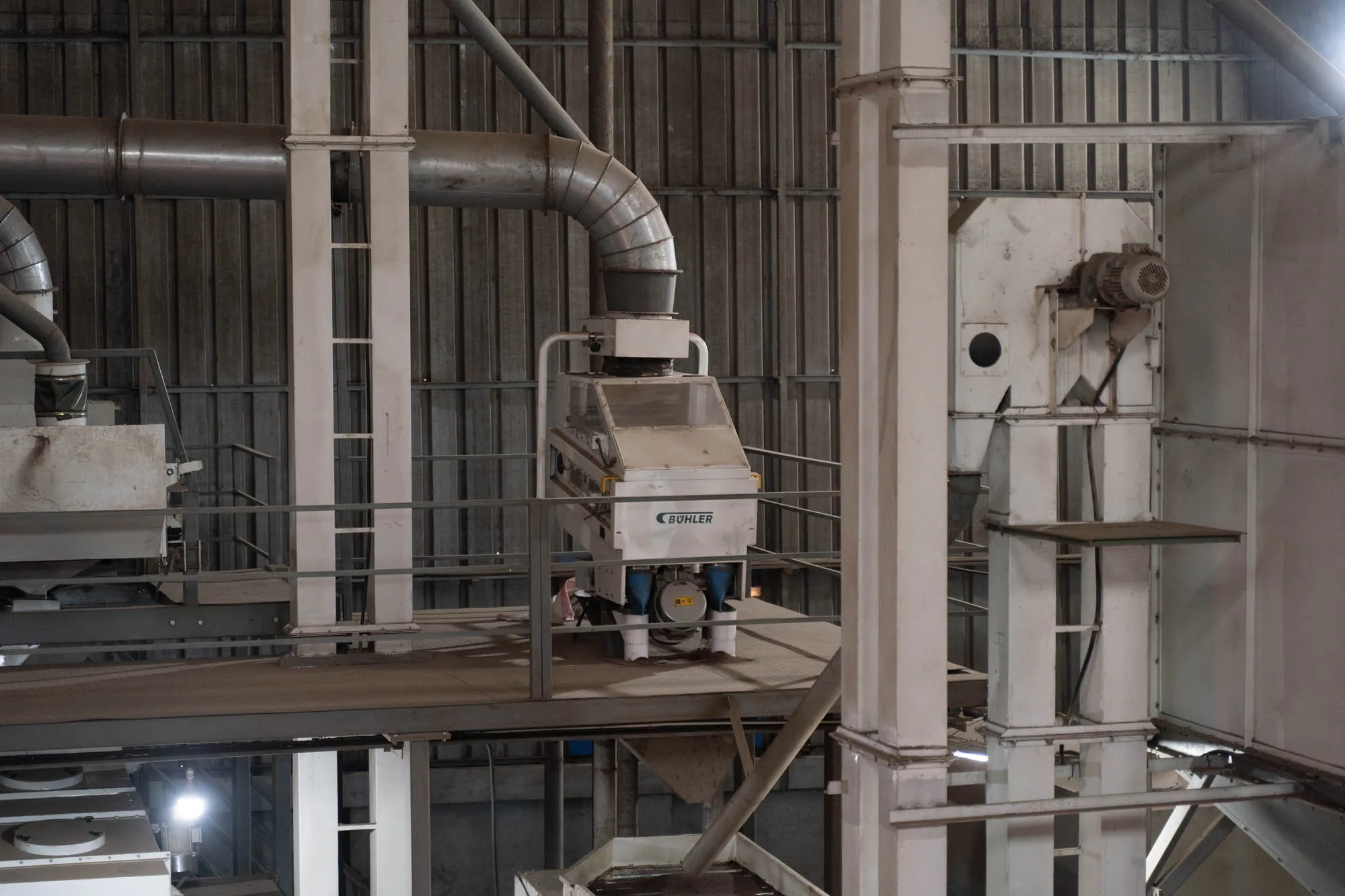
The building itself is not ornamental. Corrugated steel walls, concrete floors, a raised catwalk over the cleaning line, three rust-red silos out back. A Swiss-built Bühler machine handles the fine cleaning; the rest is custom iron, built by technicians who have spent their lives around sesame. There is an in-house quality lab at one end, a loading bay at the other, and not much in between except the work.

Factory interior showing a Bühler-branded seed-cleaning machine mounted on an elevated platform with surrounding ductwork and corrugated steel wall, catwalk visible
Plate 04 · The Bühler cleaner, Ullapara factory floor.
§ 03 Origin Map — Two Points

From Sirajgonj
to the world.

Every lot travels a short inland road from the Ullapara crushing line down to Chattogram, where our port office handles shipping coordination, C&F liaison, and documentation.

“Two points. One short inland road. Every lot accounted for.”

FIGURE · ORIGIN & EGRESS Two points on the Bangladesh map Sirajgonj SESAME BELT · ULLAPARA Chattogram PORT Dhaka N ~200 KM
§ 04 Products — Oil First

Sesame oil and seeds,
export grade.

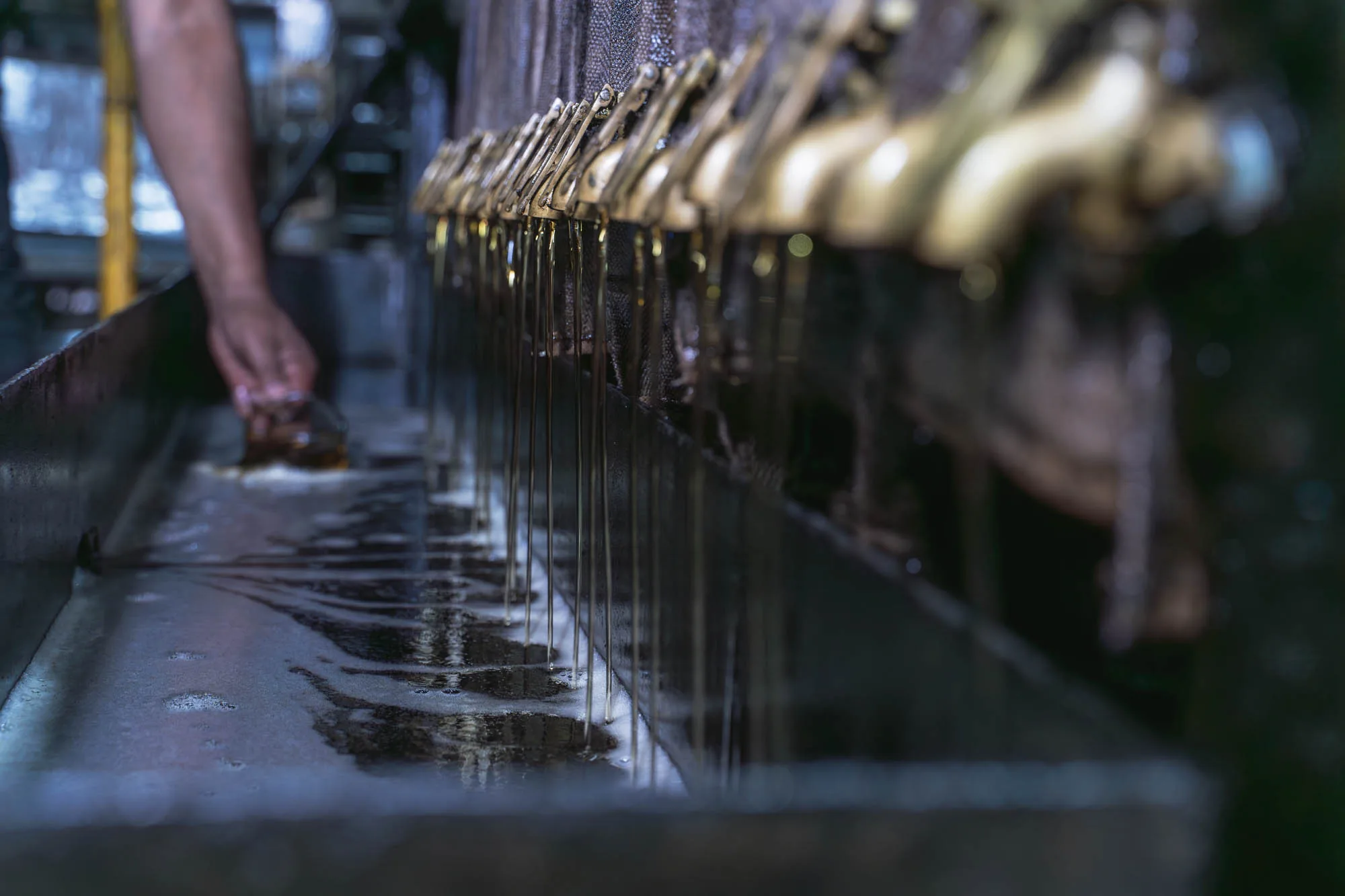
Oil is our core business. Crude sesame oil from the first pressing ships in flexitank; refined ships bottled or drummed to spec. Seeds ship in PP bags, cleaned and dried to the moisture cutoff a refinery or bakery asks for.

Product photograph — refined line

— 02

Refined Sesame Oil

Crystal-clear with a light, clean taste. Suitable for cooking, food processing, and consumer-grade products.

Food GradeLight ColorNeutral Taste
Spec sheet →
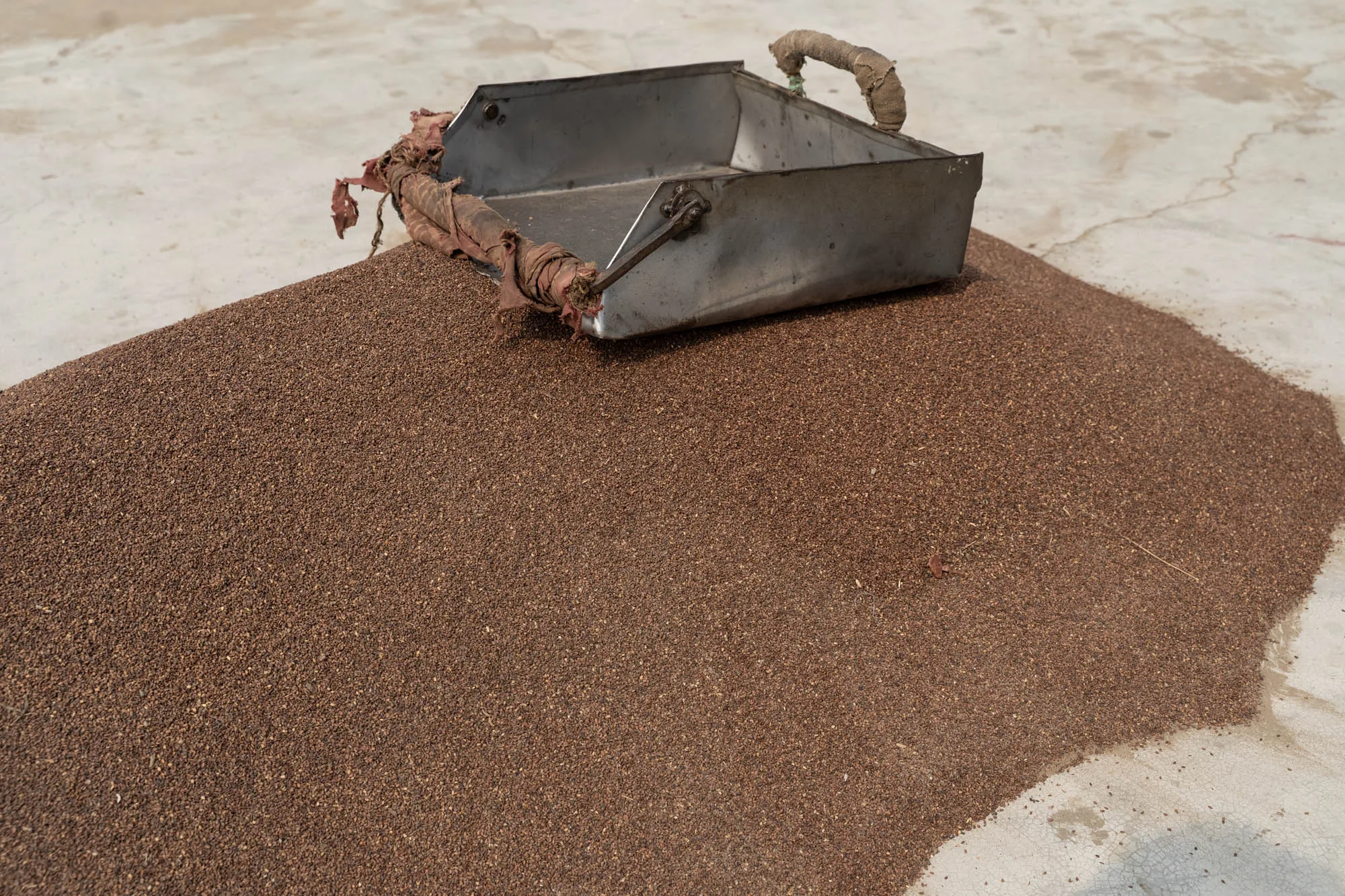
Metal scoop resting on a bed of brown sesame seeds spread across a concrete drying floor, natural daylight

— 03

Brown Sesame Seeds

Double-skin variety. Cleaned and dried to optimal moisture levels. Versatile for oil extraction, bakery, and confectionery applications.

Double SkinCleaned & DriedExport Ready
Spec sheet →
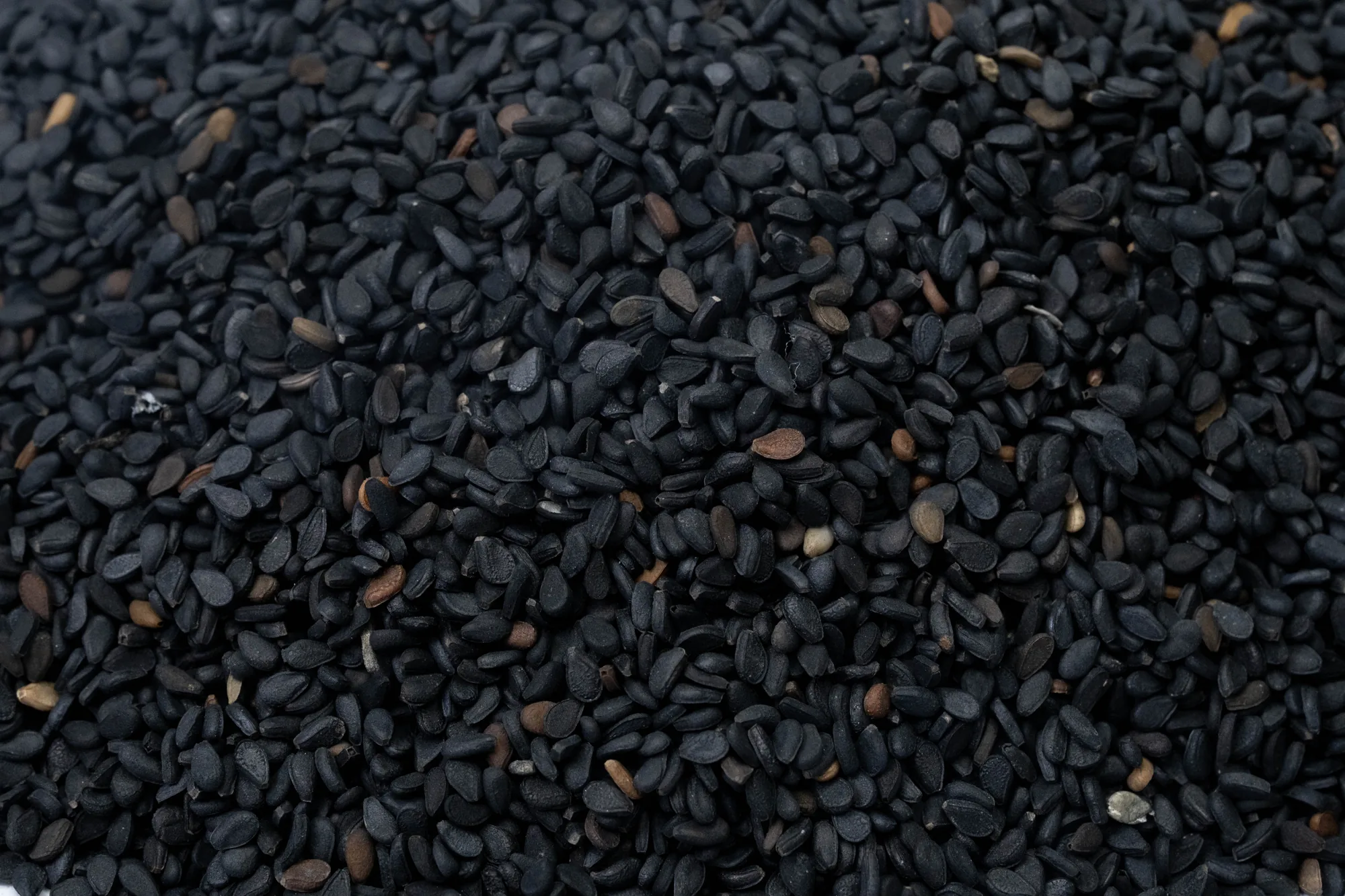
Tight macro of double-skin black sesame seeds, top-down, flat field of dark seeds with occasional brown ones

— 04

Black Sesame Seeds

Double-skin variety. Cleaned and dried to preserve quality and shelf life. Rich in nutrients, prized in East Asian cuisines and health-food markets.

Double SkinCleaned & DriedHigh Nutrition
Spec sheet →
Product photograph — yellow seeds

— 05

Yellow Sesame Seeds

Double-skin variety. Cleaned and dried for uniform quality. Mild flavor profile suited for bakery, confectionery, and tahini production.

Double SkinCleaned & DriedMild Flavor
Spec sheet →
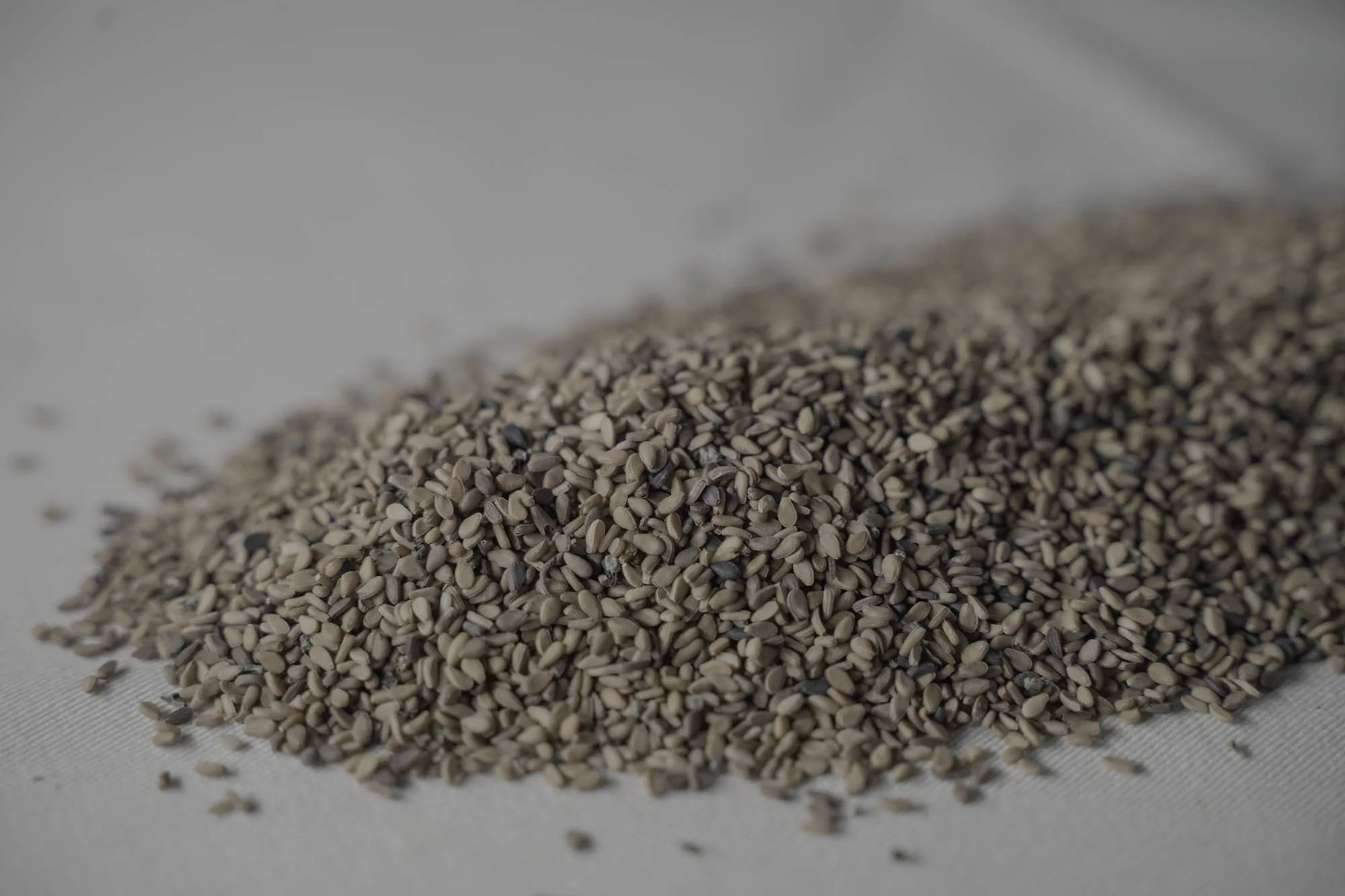
Conical pile of husked light-tan single-skin sesame seeds on a white surface, soft window daylight, shallow depth of field

— 06

White Mountain Seeds

Single-skin variety sourced from highland regions. Cleaned and dried. Smooth texture with a delicate nutty flavor for premium food applications.

Single SkinCleaned & DriedPremium
Spec sheet →
Product photograph — black mountain

— 07

Black Mountain Seeds

Single-skin variety from highland cultivation. Cleaned and dried. Distinctive flavor for specialty and traditional food products.

Single SkinCleaned & DriedSpecialty
Spec sheet →
§ 05 Process — Five Stages on the Floor

From a sack in the yard
to a container at port.

Every lot travels the same five stages, in the same order, over the course of two to three weeks between intake and bill of lading. What changes from lot to lot is the density of tests, the customer’s packing spec, and the Incoterm.

01

Seed Sourcing

Selected from trusted farms across the Sirajgonj sesame belt for premium raw material quality. Every sack arrives coded to a farmer and a planting lot; nothing enters the cleaning floor without a yard log entry.

02

Cleaning & Drying

Multi-stage mechanical cleaning followed by drying to optimal moisture levels for quality preservation. The Bühler line handles the fine fraction; the drying floor takes the rest of the week.

03

Oil Crushing

Selected seeds crushed to extract crude sesame oil, preserving natural aroma and nutrients. The first-pressing fraction is what buyers ask for by name; the cake goes to feed and soap applications and is tracked separately.

04

Quality Testing

SGS-certified laboratory testing for acidity, moisture, colour, and purity. Results travel with the lot as a certificate of analysis; a retained sample stays with us for two years.

05

Pack & Ship

Packed in flexitank, drums, or PP oven bags. Full export documentation from LC to Bill of Lading prepared in-house, cleared through Chattogram port by our in-house desk.

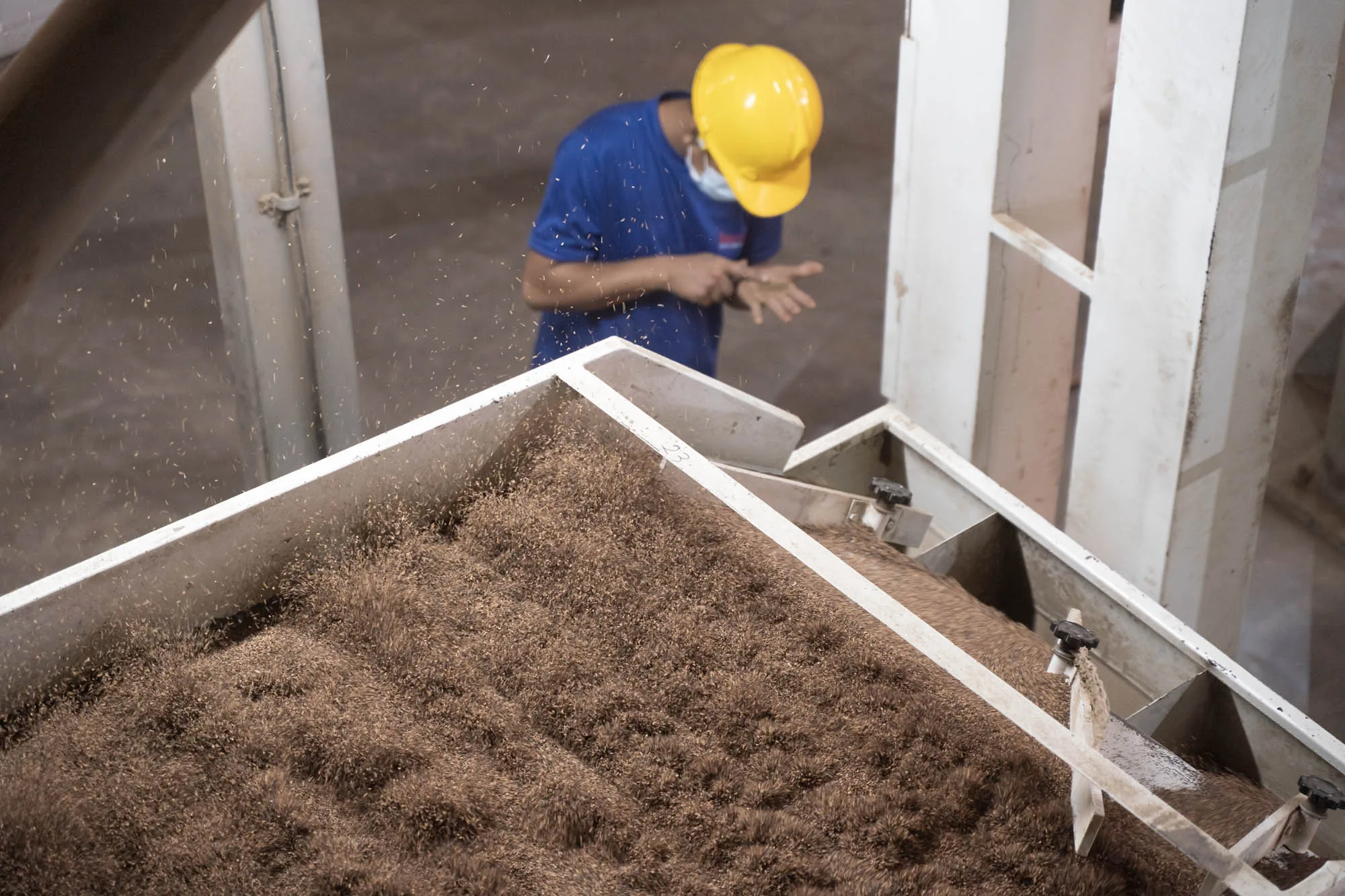
Overhead view of chaff lifting off a hopper of brown sesame seeds during sieving, motion blur on particulate
Plate 05 · Sieving — the chaff comes up.
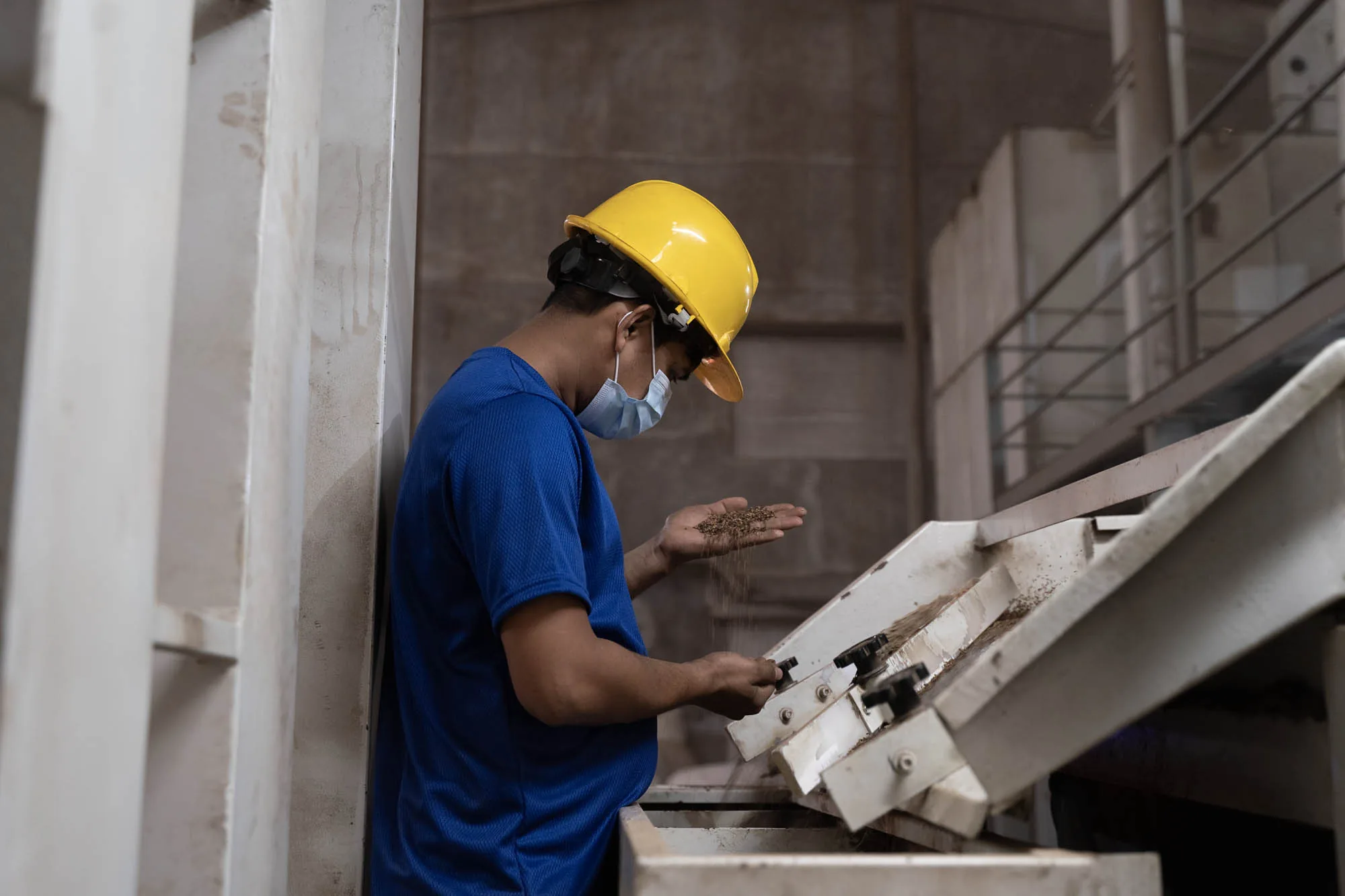
Factory worker in blue Shufola shirt, yellow hardhat, and face mask operating a vibratory seed-sorting machine, mixed interior light
Plate 06 · Sorting — the vibratory line.
QC technician in lime-green Shufola polo, blue hairnet, and face mask running a titration setup with beakers at the in-house quality laboratory
Plate 07 · QC laboratory — titration, every lot.
§ 06 Export — How We Ship

Built for
international trade.

The export desk is a tight operation. Documentation, LC handling, freight booking, and C&F liaison all stay in-house. We do not subcontract the paperwork, which is why amendments and port holds rarely become a buyer’s problem.

Documentation

Bill of Lading, Certificate of Origin, Phytosanitary, Health Certificate, and all LC-required documents prepared in-house.

Shipping

Partnerships with major shipping lines. Flexitank for oil, standard containers for seeds. Direct access to Chattogram port.

Banking & LC

Established banking relationships. Expert LC negotiation, amendment handling, and compliance documentation.

Quality Assurance

Every shipment tested by SGS Bangladesh. Full compliance with buyer specifications and food safety standards.

Flexible Packaging

Flexitank, drums, and PP oven bags. Private labeling and custom packaging available on request.

End-to-End Service

From proforma invoice to final shipment — C&F coordination, freight booking, and regulatory compliance.

§ Accredited & Documented

SGS Tested · Phytosanitary-certified · Health Certificate — issued per shipment · Certificate of Origin · Bangladesh Bank Compliant

§ 07 Contact — The Export Desk

Write to the desk.
We reply in a business day.

Reach our export team

Whether you need a quote, product specifications, or want to discuss a long-term supply partnership — we respond within twenty-four hours on business days.

Head Office
Dhaka, Bangladesh — Commercial operations, buyer relations, export management
Port Office
Chattogram, Bangladesh — Shipping coordination, C&F liaison, documentation
Factory
Ullapara, Sirajgonj — Oil crushing facility, seed processing, quality laboratory
Email
export@shufola.com